Source led tie for nightclub events, parties, and shows
Compare 30 options for led tie for nightclub use including Western and fiber optic styles. Buyers can review customization, materials like plastic or polyester, and battery types from Chinese manufacturers.
Key considerations
Products List







Comprehensive Sourcing Guide
Strategic Sourcing Guide for LED Nightclub Ties
Understanding the Product Category and Technical Specifications
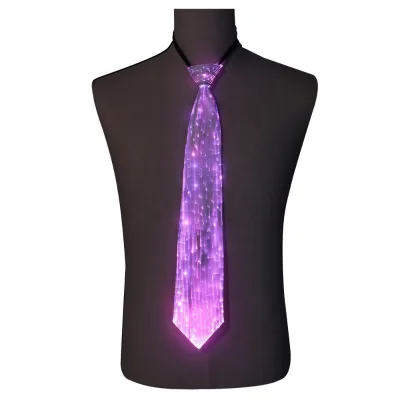
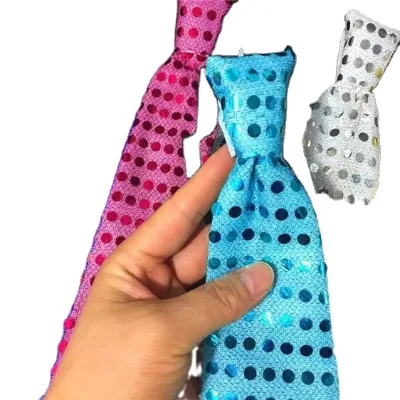
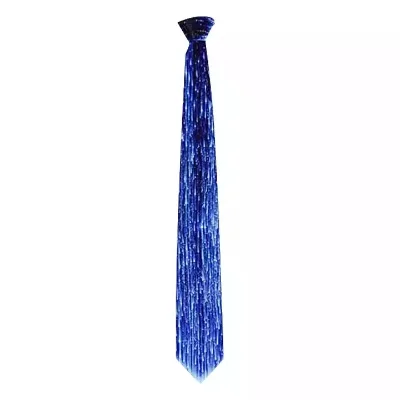
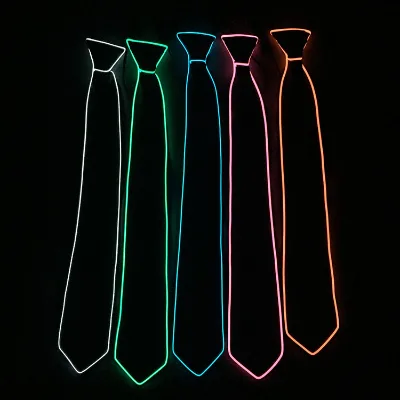
When sourcing LED ties specifically for nightclub environments, buyers must first distinguish between the various technical configurations available in the market. The core product functions as a wearable decoration that utilizes light-emitting diodes to create visual impact in low-light settings. Based on current market data, these items are predominantly constructed from materials such as plastic or specialized luminescent fibers, with some variants utilizing a blend of polyester and cotton for the base fabric. The lighting technology typically supports a range of LED colors, including red, blue, green, pink, and full RGB capabilities, allowing for dynamic color changes that suit the energetic atmosphere of a nightclub.
The power source for these devices is a critical technical specification. Most units operate on small, coin-cell batteries, specifically the CR1220 or CR2016 types. This battery choice dictates the form factor and the duration of illumination, which is a primary consideration for event organizers who need the accessory to last through an entire night of dancing. The physical dimensions of the ties vary significantly depending on the model. For instance, specific models may have a single package size of 20x15x6 cm, while others are designed with compact dimensions of 8x4x1 cm. The size of the final product, such as a 145x9 cm variant, must be verified against the intended use case to ensure it fits standard neckwear proportions while accommodating the necessary electronic components.
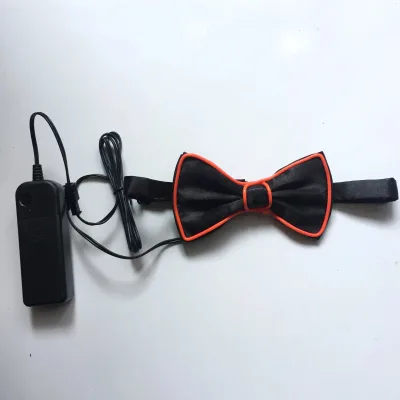
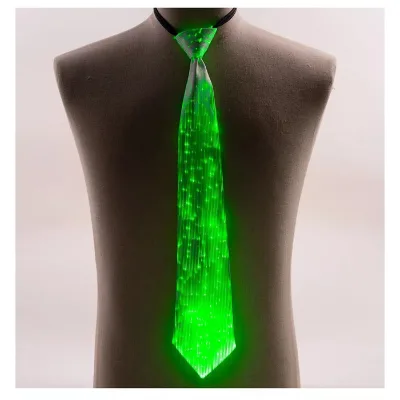
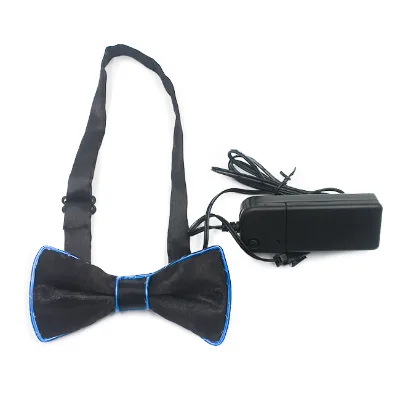
The control mechanism for the lights is often integrated into the design, with some products featuring a "Fiber Optic" style or a "Western" style that mimics traditional bow ties but with embedded lighting. The pattern on the tie can range from plain designs to those with specific printing techniques like silkscreen or general printing. Buyers should note that the "Luxury Classic" style is also available, suggesting a market segment that targets high-end events rather than just casual parties. The distinction between a "Holiday Party" type and a general "Decoration" type is subtle but important for inventory planning, as the intended party type influences the aesthetic design and color palette of the LED tie.
Compliance, Certification, and Shipping Documentation
In the B2B procurement of electronic accessories, verifying compliance and shipping documentation is as critical as the product specifications themselves. While specific certification statuses like UL 1573 or CE are often mentioned in the broader industry context, buyers must treat these as verification points rather than guaranteed attributes for every listed item. The primary requirement for international shipping of LED ties involves the preparation of a Shipping Report. This documentation typically includes an MSDS (Material Safety Data Sheet) to address the chemical composition of the batteries and materials, alongside standard reports for air and sea freight.
The origin of the product is a significant factor in logistics planning. The majority of these LED ties originate from China, with specific manufacturing hubs identified in Zhejiang. This geographic concentration can influence lead times and shipping costs, as suppliers in this region are accustomed to handling high volumes of small, lightweight electronic goods. The export packing standards are also crucial; suppliers often provide an Export Packing Box Quantity of 400 pieces per carton, with specific box dimensions such as 42x12x34 cm or 152x34x22 cm depending on the product model. The weight of these export boxes, ranging from 10 kg to higher values, must be accounted for in freight calculations to avoid unexpected surcharges.
Buyers should explicitly request the MSDS and Air/Sea Standard Reports before finalizing any order. These documents confirm that the lithium batteries included in the product meet international safety regulations for transport. Without these documents, customs authorities may detain the shipment, leading to significant delays and potential loss of goods. Furthermore, the "Customized" standard mentioned in product attributes suggests that while the base product may follow general industry norms, the specific compliance requirements for the destination market must be confirmed with the supplier. This is particularly relevant for markets with strict electrical safety regulations where generic certifications may not suffice.
Cost Drivers and Pricing Dynamics
The pricing structure for LED ties is influenced by several variable factors, resulting in a wide observed range from $0.20 to $262.00 USD. This broad spectrum indicates that the cost is not solely determined by the presence of LEDs but is heavily dependent on customization, material quality, and order volume. The "Real Factory Low Price" attribute suggests that direct sourcing from manufacturers can yield significant savings compared to trading companies, but the final price is a function of the specific configuration chosen.
Material composition is a primary cost driver. Ties made from standard plastic or basic polyester/cotton blends generally fall on the lower end of the price spectrum. In contrast, products utilizing "luminescent fiber" or those with "Luxury Classic" styling and "Handmade" features command a premium. The complexity of the LED circuitry also plays a role; RGB models that offer color-changing capabilities are typically more expensive than single-color variants. Additionally, the inclusion of custom services, such as "Custom Logo Accepted" or "Custom OEM ODM," adds to the unit cost. These services require additional setup time and tooling, which suppliers factor into the final price.
The Minimum Order Quantity (MOQ) is another critical component of the cost structure. The observed MOQ range spans from 1 to 1000 units. For buyers testing the market, a low MOQ of 1 allows for sample acquisition without significant financial commitment. However, to achieve the lower price points within the observed range, buyers must be prepared to order in larger quantities, potentially approaching the 1000-unit threshold. The "Custom Gift Box Packing" option, while adding value for end-users, also increases the per-unit cost due to the additional packaging materials and labor required. Buyers must balance the desire for premium packaging against the budget constraints of the project.
Typical Applications and Market Segmentation
LED ties are versatile accessories designed for a variety of high-energy social environments. The primary application is in nightclubs and discotheques, where the dynamic lighting effects enhance the visual experience of the crowd. The "Party Type" attribute specifically highlights "Holiday Party" as a key use case, indicating that these products are also popular for seasonal celebrations, New Year's Eve events, and themed parties. The "Western" style and "Bow Ties" classification suggest a formal or semi-formal adaptation of the accessory, making them suitable for weddings, proms, or gala events where a touch of modern technology is desired.
The "Decoration" type classification underscores the dual nature of these products as both functional wearables and decorative items. In a nightclub setting, the LED tie serves as a focal point for the wearer, allowing them to stand out in the dark environment. The ability to customize the logo and pattern makes these ties ideal for corporate branding at events, where companies can distribute branded merchandise that doubles as party favors. The "Fiber Optic" style offers a unique aesthetic that differentiates the product from standard LED lights, appealing to buyers looking for a more sophisticated or futuristic look.
Furthermore, the "Handmade" feature suggests a niche market for high-end, artisanal versions of the product. These items are likely targeted at luxury retailers or boutique event planners who prioritize craftsmanship over mass production. The "Selling Units" being listed as "Single item" indicates that while the product is often sold in bulk for events, it is also available for individual purchase, catering to consumers who want a unique accessory for personal use. The versatility of the product allows it to cross over from commercial B2B applications to B2C retail, provided the marketing strategy aligns with the specific style and price point.
Supplier Evaluation and Quality Control Protocols
Evaluating a supplier for LED ties requires a rigorous approach to quality control and capability assessment. The "Quality Control" attribute, which states "We Have QC Inspection Before Delivery," is a standard claim that must be verified through on-site audits or third-party inspection reports. Buyers should not rely solely on the supplier's self-reported QC status but should request detailed inspection records for the specific batch being ordered. This is particularly important given the electronic nature of the product, where battery failures or LED malfunctions can render the entire batch unusable.
The "Customization" availability is a key differentiator among suppliers. Buyers should assess the supplier's capacity for "Custom OEM ODM" services, including their ability to handle "Custom Logo" printing via silkscreen or other methods. The "Customizable Label" feature adds another layer of complexity to the production process, requiring the supplier to manage multiple design files and ensure accurate placement. A supplier with a robust "Service" department will be better equipped to handle these customizations efficiently, reducing the risk of errors and delays.
When evaluating suppliers, buyers should also consider the "Place of Origin" and the specific manufacturing capabilities in Zhejiang, China. While this region is a hub for such products, the specific factory's experience with electronic components is crucial. Suppliers who can provide a "Shipping Report" with comprehensive MSDS and freight documentation demonstrate a higher level of logistical competence. Additionally, the "Export Packing Box Quantity" and "Export Packing Box Weight" should be verified to ensure that the supplier's packaging standards align with the buyer's shipping requirements. A supplier that consistently meets these logistical benchmarks is more likely to deliver a reliable and consistent product.
Long-Term Procurement and Inventory Management
For buyers engaging in long-term procurement of LED ties, inventory management and supply chain stability are paramount. The "Single gross weight" of 0.100 kg and the "Single package size" of 20x15x6 cm or smaller indicate that these products are relatively lightweight and compact, which is advantageous for storage and shipping. However, the variety of models, such as "GP-06," "GP-07," and "BT-Y-0503-02," means that buyers must maintain a diverse inventory to meet different customer needs. This diversity can complicate stock management, requiring a robust system to track model numbers, battery types, and packaging specifications.
The "Standard" attribute, which includes values like "841cm" or "11*6cm," highlights the need for precise specification tracking. Inconsistent sizing or packaging can lead to customer dissatisfaction and increased return rates. Buyers should establish clear quality standards with their suppliers, ensuring that the "Customized" standard is maintained across all production runs. The "Battery Type" consistency is also critical; a switch from CR1220 to CR2016 without notice could affect the product's performance and customer expectations.
Long-term success in this market also depends on the ability to adapt to changing trends. The "LED Color" options, including RGB, suggest that buyers should stay informed about color trends and lighting technologies. Suppliers who offer "Customization" and "Service" for OEM/ODM projects are better positioned to adapt to these changes. By maintaining a strong relationship with suppliers who prioritize quality control and logistics, buyers can ensure a steady supply of high-quality LED ties that meet the demands of the nightclub and event markets. The "Real Factory Low Price" attribute should be leveraged to negotiate favorable terms, but always with the understanding that quality and reliability are the ultimate drivers of long-term profitability.
FAQs
What battery types power these LED ties?
Most units operate on small coin-cell batteries, specifically CR1220 or CR2016 types. This battery choice dictates the form factor and illumination duration, which is a primary consideration for event organizers needing the accessory to last through an entire night.
Can I customize the logo and packaging?
Yes, customization is available for logos via silkscreen printing and custom gift box packing. Buyers can request custom OEM or ODM services, including customizable labels, to align the product with specific branding needs for corporate events or parties.
Which materials are used for LED ties?
Products are predominantly constructed from plastic, luminescent fiber, or a blend of polyester and cotton. The material composition significantly influences the cost, with luminescent fiber and handmade variants typically commanding a premium over standard plastic or basic fabric blends.
How do I verify shipping documentation for customs?
Buyers must request a Shipping Report that includes an MSDS and standard reports for air and sea freight. These documents confirm that the lithium batteries meet international safety regulations for transport, preventing customs detention and ensuring smooth delivery to the destination.
What is the typical MOQ for these products?
The observed minimum order quantity ranges from 1 to 1000 units depending on the supplier and customization level. Ordering in larger quantities, potentially approaching the 1000-unit threshold, is often necessary to achieve the lower price points within the observed range.
Where are these LED ties manufactured?
The majority of these LED ties originate from China, with specific manufacturing hubs identified in Zhejiang. This geographic concentration influences lead times and shipping costs, as suppliers in this region are accustomed to handling high volumes of small electronic goods.